DESIGNING TOGETHER:  C O L A B

Co-designing an inclusive co-creation space for a public library.

Role: Interaction Designer

Context: University Project

Duration: 10 Weeks

Tools: Illustrator, Lasercutting, Co-Design

This project explored how a public library could create an inclusive co-creation space that supports collaborative learning, shared making, and participation across generations.

THE GOAL

To understand what an inclusive co-creation space in the library could be, and how responsibility for it could be shared.

PROJECT FRAMING

To explore how an inclusive co-creation space could balance tensions between users across age spans, interests, and management.

Understanding the Existing Situation

Before defining a new co-creation space, we, a team of four, wanted to understand how the library already handled similar situations in practice, such as openness, material management, scheduling, and shared responsibility.

This meant observing existing library spaces, talking to staff and stakeholders, and visiting activities that already relied on collaboration, shared resources, and community involvement.

Emerging Tensions

As the process continued, it became clear that the challenge was not only to imagine an inclusive co-creation space, but to help the library understand the tensions within its own ambitions.

Many of the things stakeholders wanted were valuable, but difficult to combine in one shared room. The project therefore shifted toward making these tensions visible, discussable, and easier to navigate together.

OPEN TO EVERYONE SHARED RESPONSIBILITY

Making the space open and accessible to everyone could make it harder to create ownership around safety, maintenance, and care of materials.

ALL AGES AGE RESTRICTION

Designing for all ages sounded inclusive, but also introduce tensions around supervision, safety, and whether different groups would feel comfortable sharing the same space.
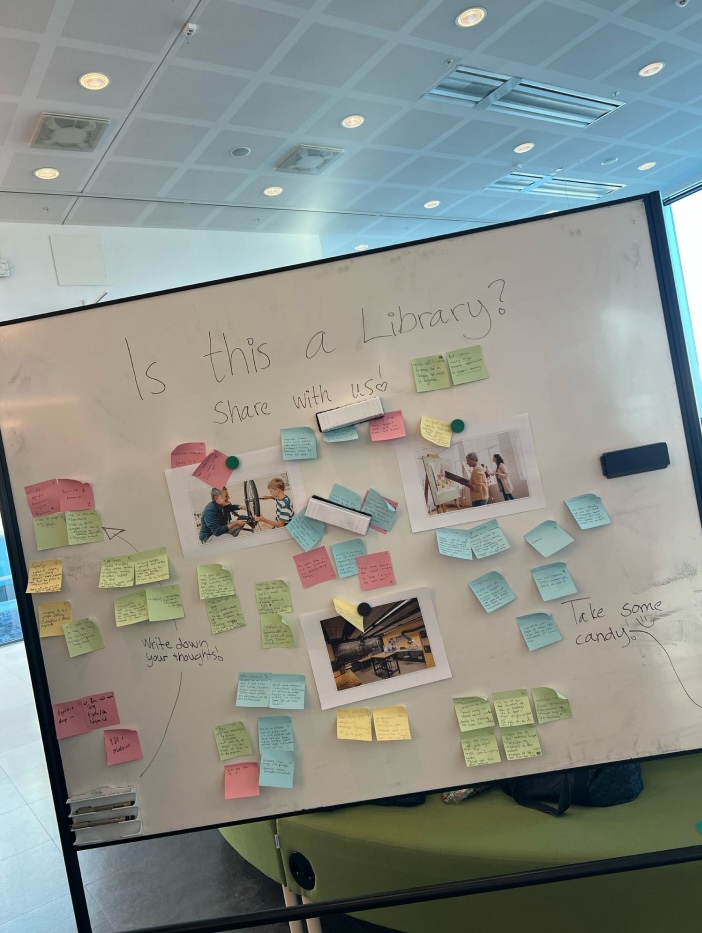
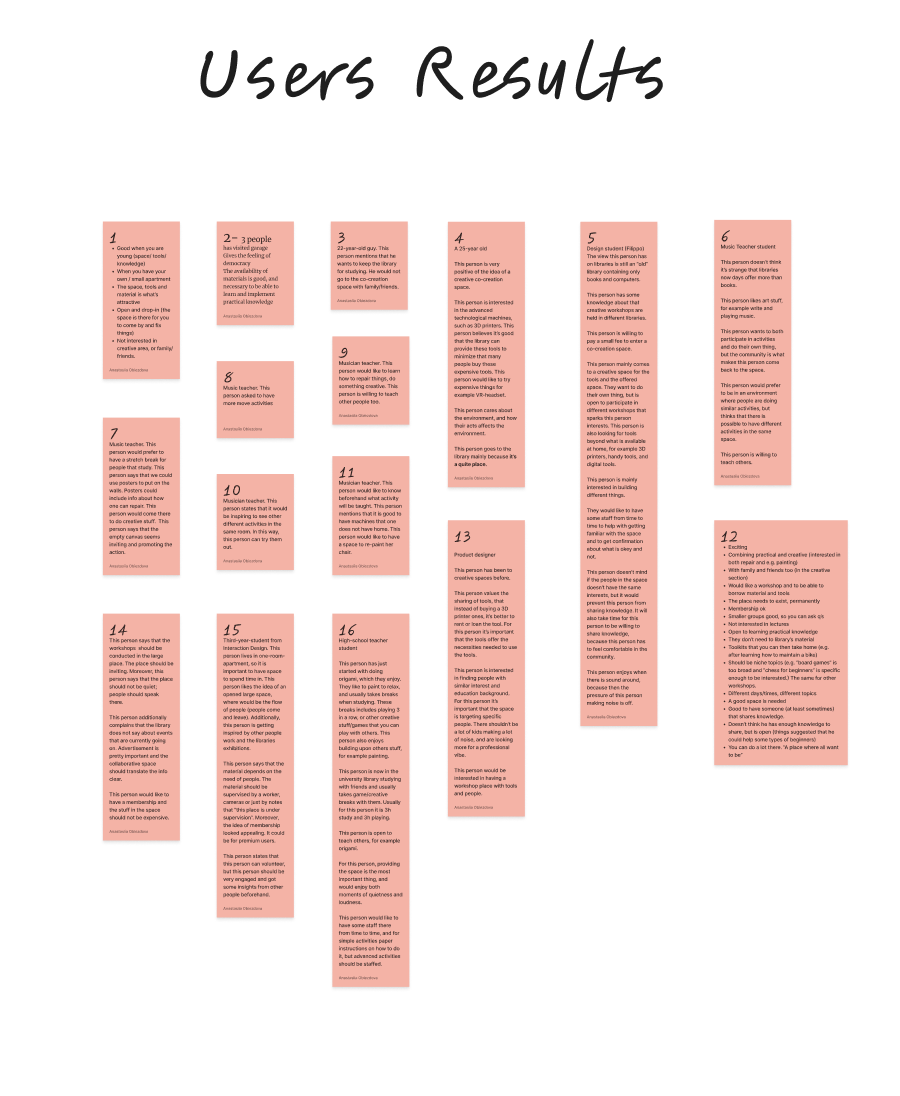
To move beyond discussion, we created a small intervention in the library to provoke reflection and invite participation.

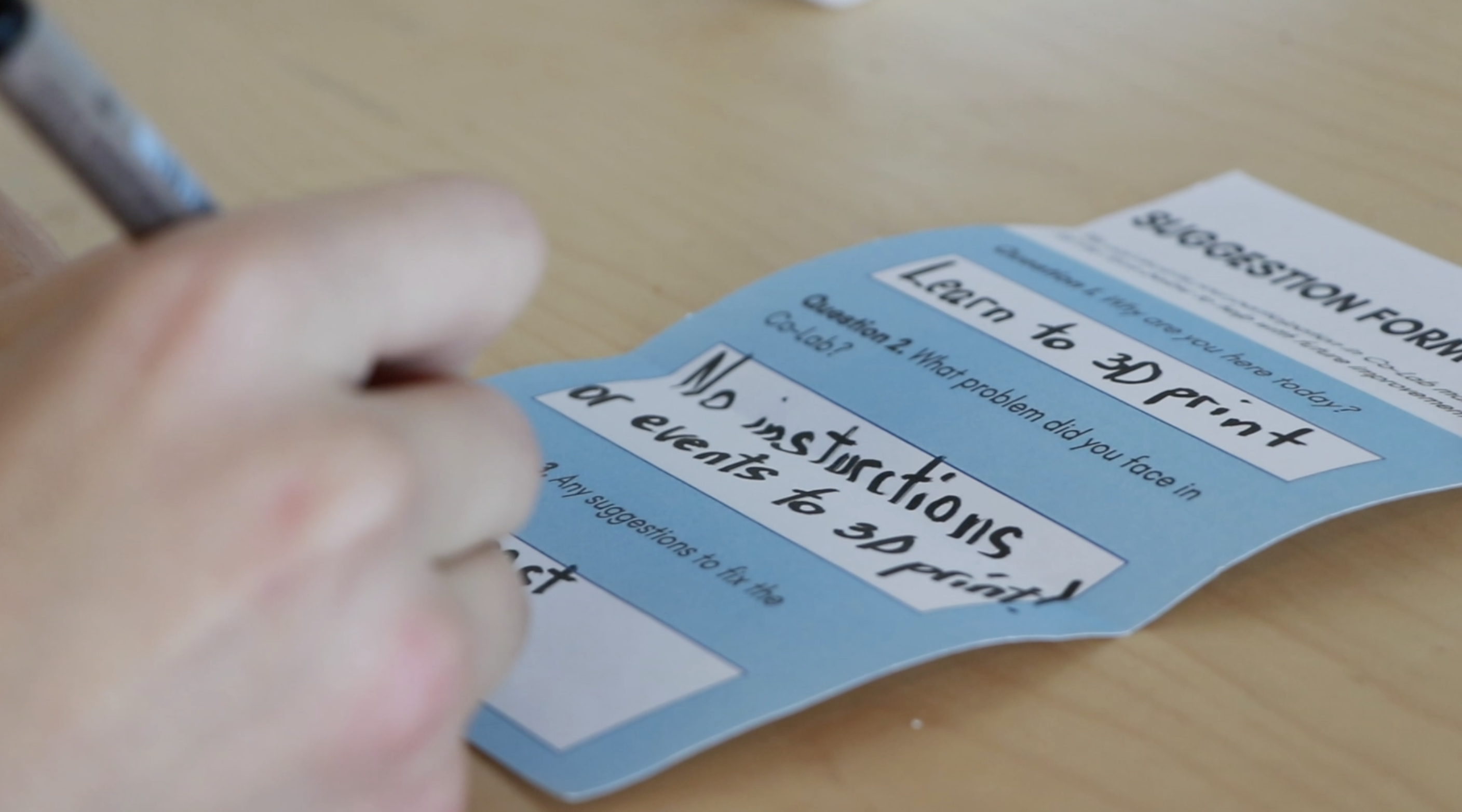
A simple board asked visitors what a library is to them and what they would like to do in such a space. With those insights, we could turn them into personas.

Intervention Board

Personas

Turning Insights into a Shared Experience

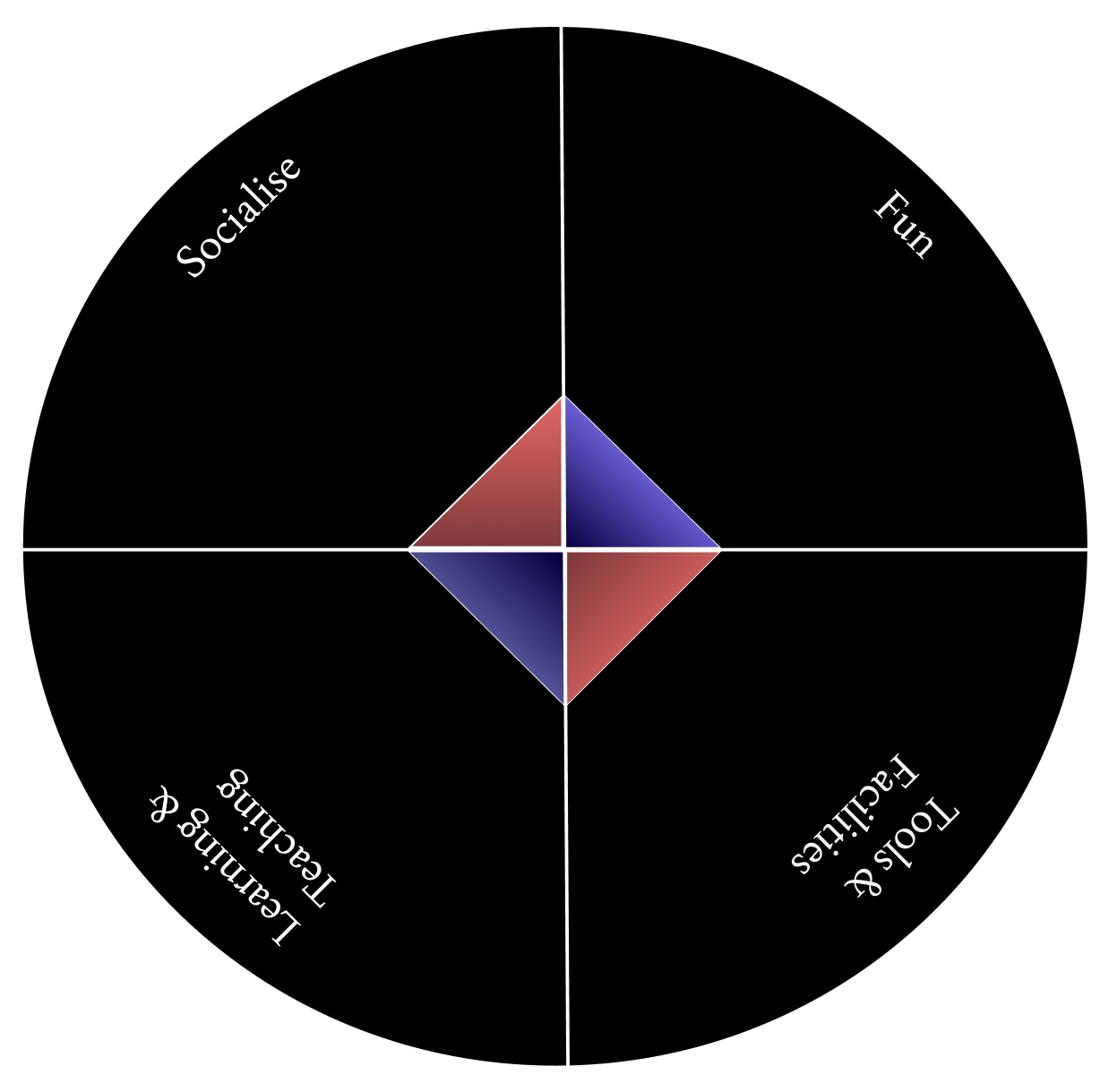
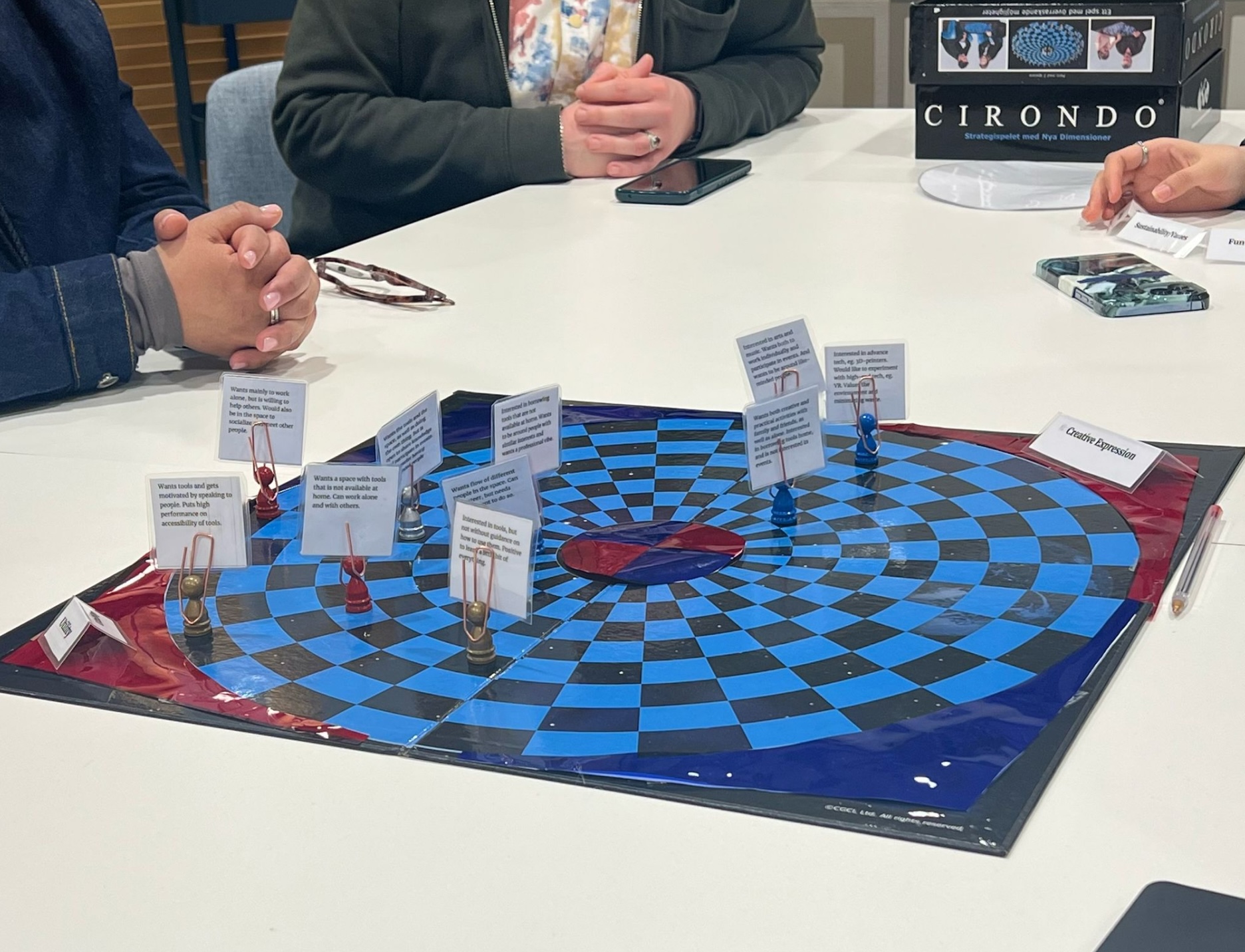
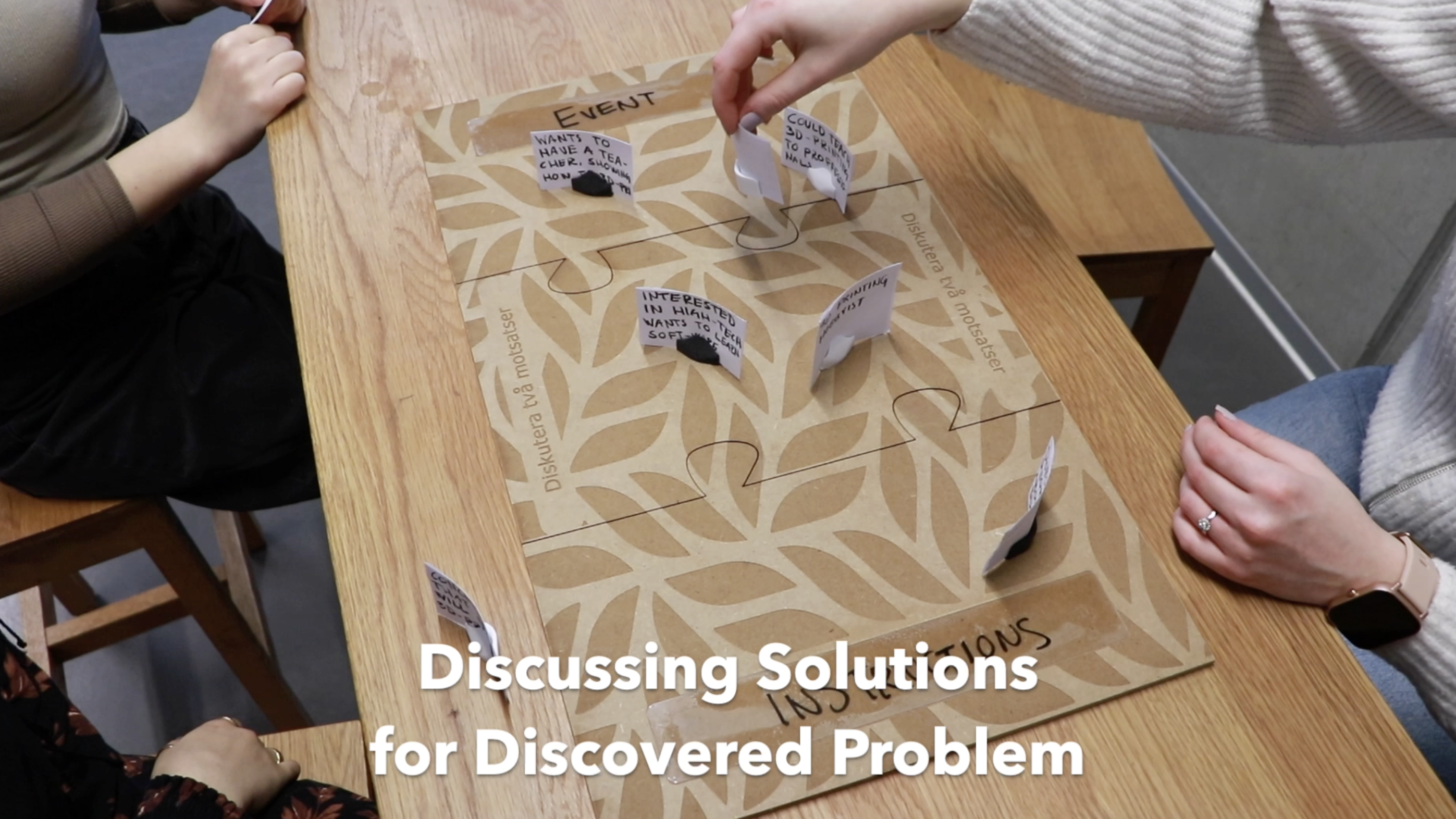
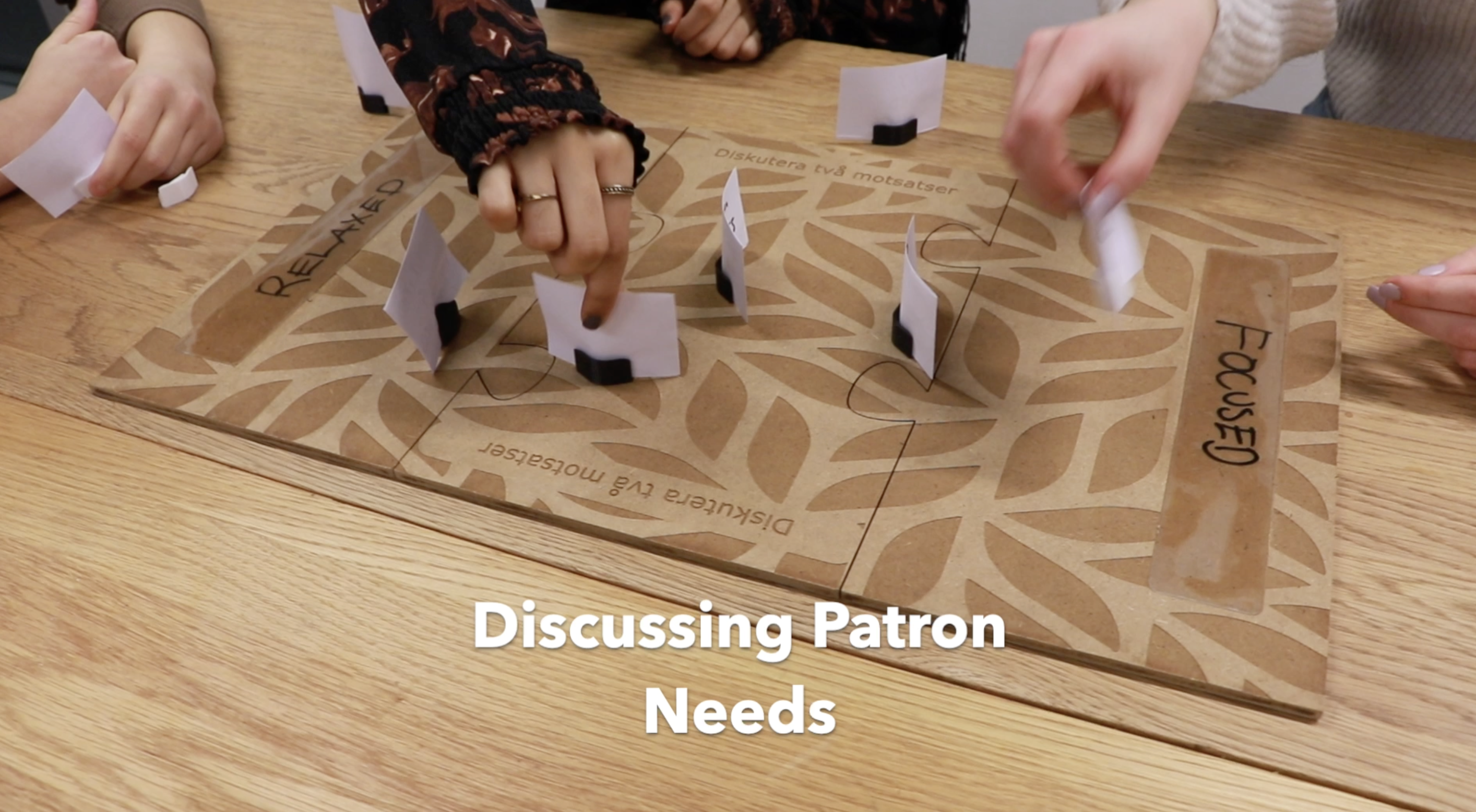
We turned the personas into a collaborative game to make tensions between users visible. Instead of discussing trade-offs, stakeholders experienced them.

Game Board

Stakeholders Playing the Game

What This Revealed

INCLUSION CREATES TENSION

Bringing different users together revealed some tensions. What works for playful use doesn’t always fit professional needs and expectations.

PREFERENCES BECAME NEGOTIABLE

Stakeholders began discussing what the space should and should not be, negotiating priorities based on different users’ needs.

REAL USER NEEDS EMERGED

The game gave them insight into what people actually wanted to do in the space, grounding the discussion beyond assumptions.

Rather than resolving these tensions into a single fixed solution, we aligned with stakeholders on a different approach.

The space would not be designed as a finished concept, but as something that could evolve over time, a design in use, shaped continuously by its users, stakeholders, and context.

Final Outcome

The final outcome was not a single solution, but a set of materials designed to support this ongoing negotiation:

THE GAME BOARD

A tool for stakeholders to explore different user perspectives and negotiate how the space could be used.

CONCEPT VIDEO

A visualization of how the space could function in practice, showing interactions, scenarios, and use over time.

REPORT

A compilation of insights, tensions, and design recommendations to support future development of the space.
The Co-Lab Game Board

To support ongoing discussions, we designed a physical game board that stakeholders could use to explore decisions together.

Unlike the earlier version, this one translates tensions into clear choices, so participants can work through trade-offs as they go.

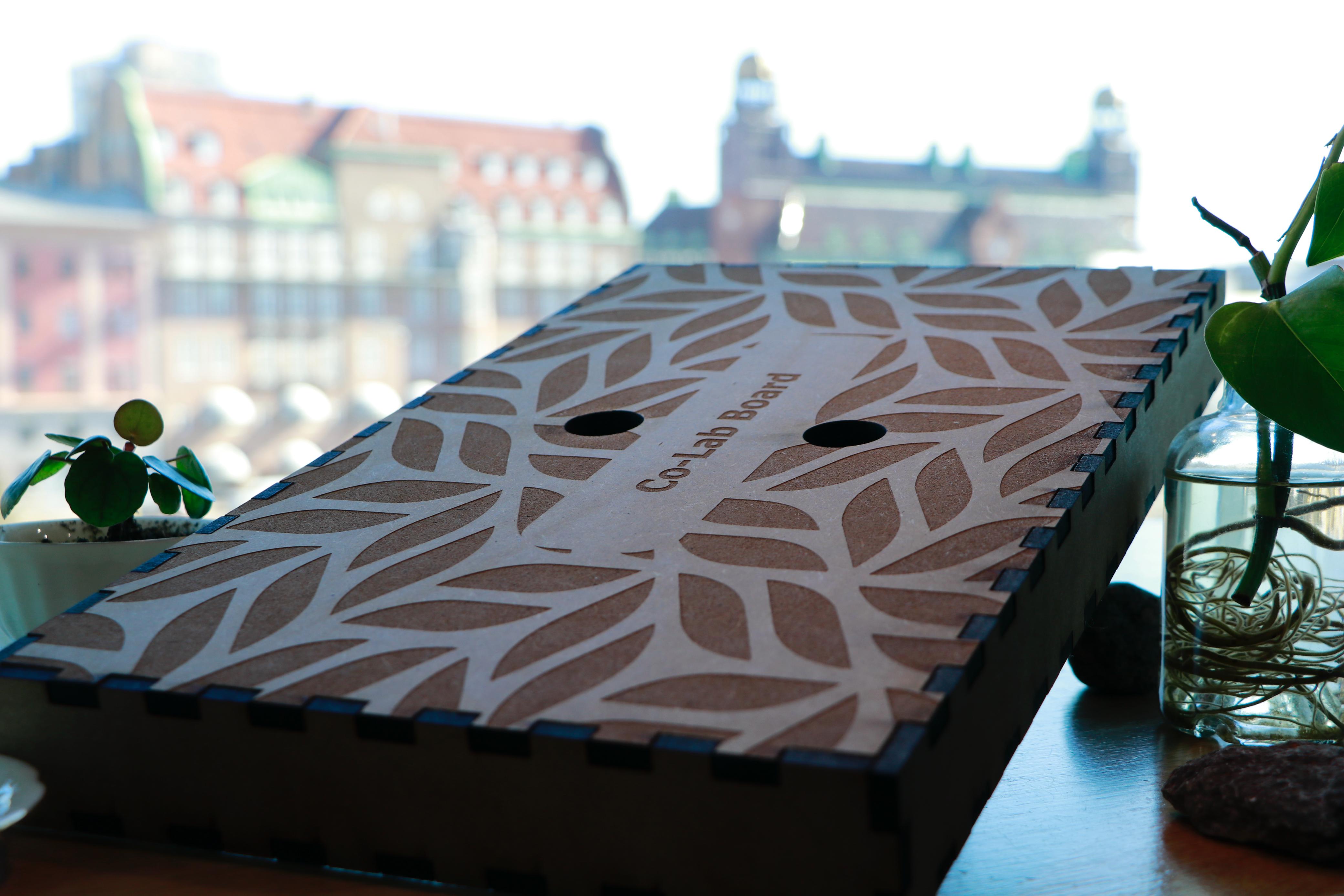
Co-Lab Board Box

We designed and produced the board ourselves, with a custom laser-cut pattern and 3D-printed pieces.

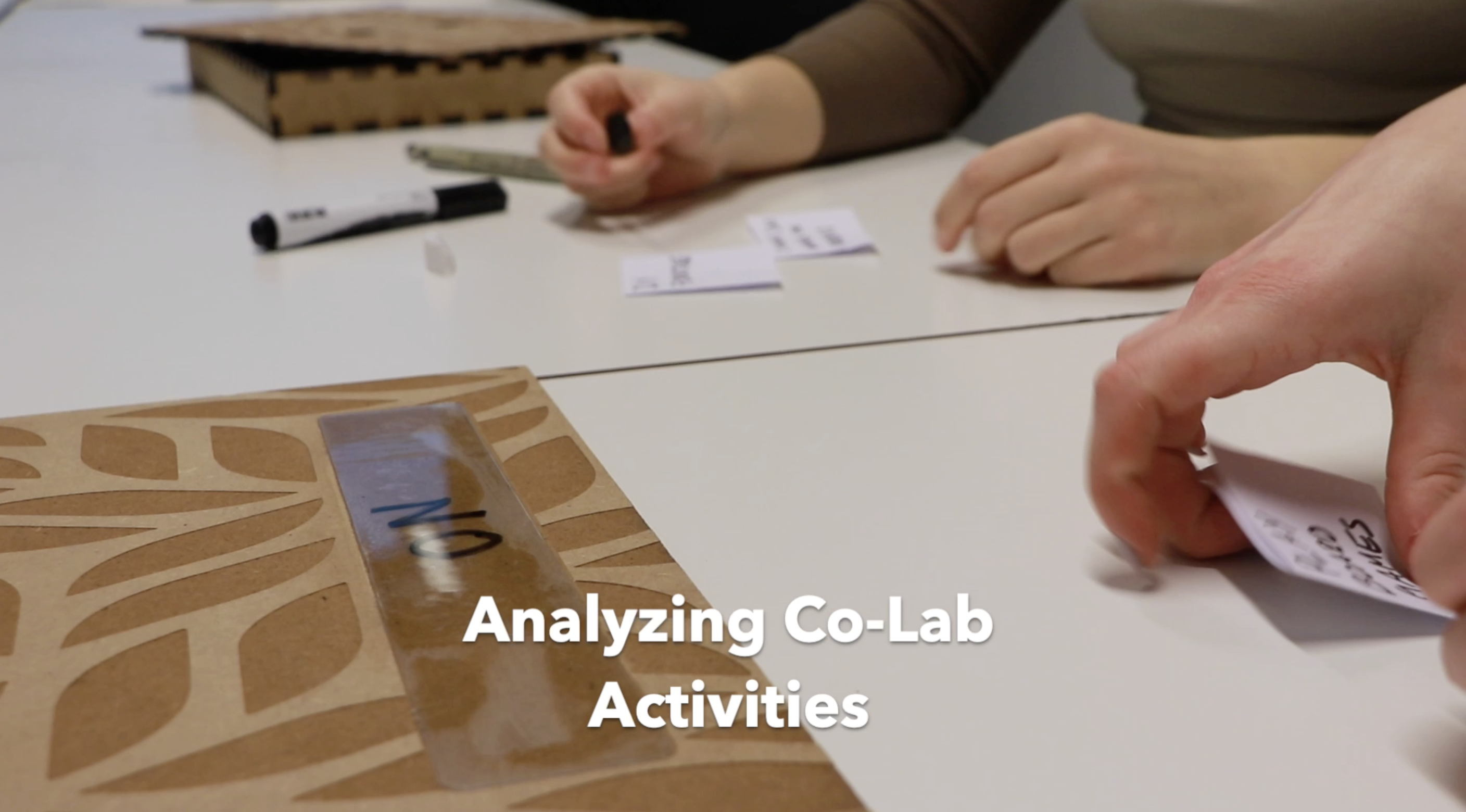
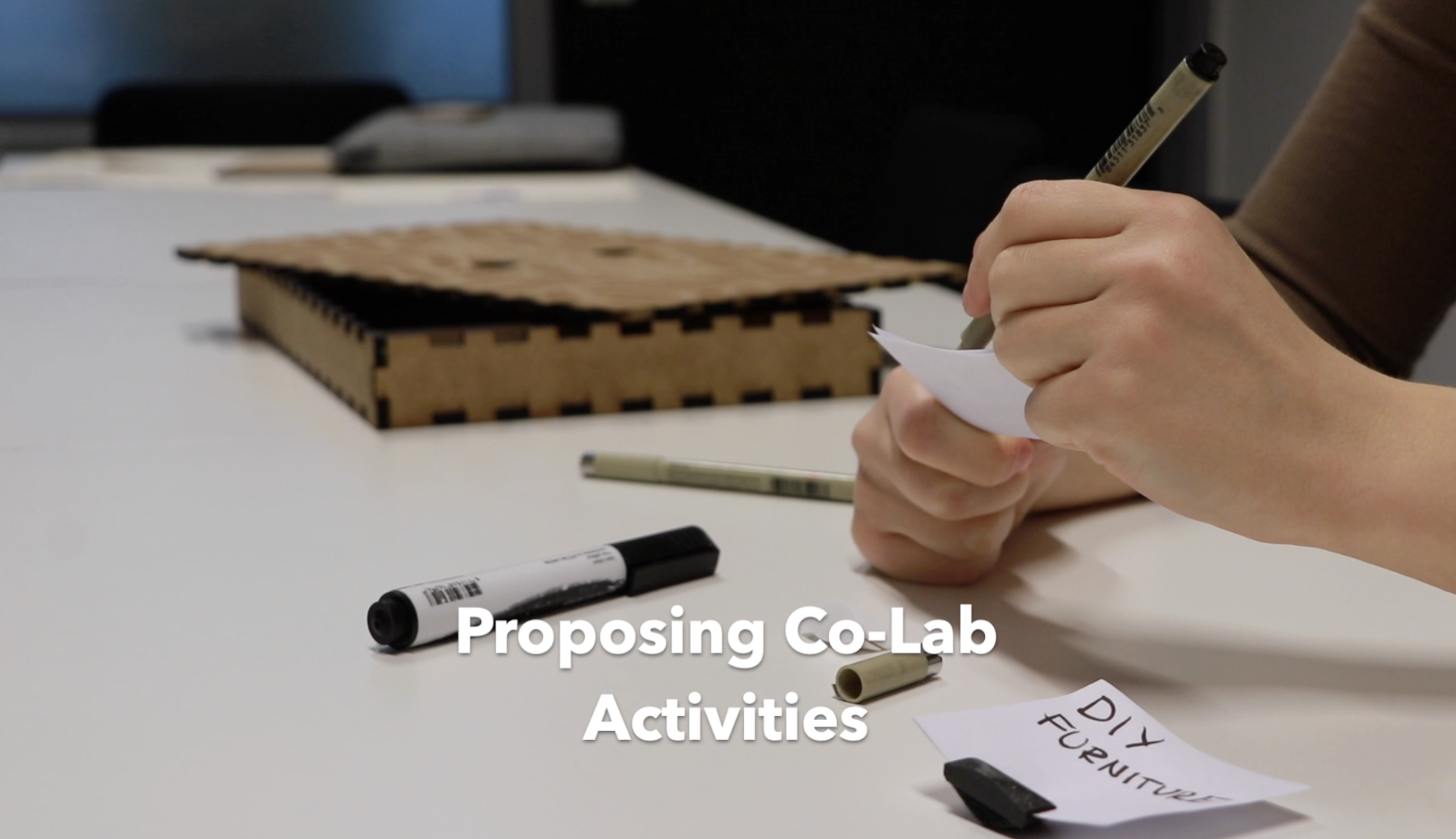
The Board in Action

Here’s a quick look at how the board can work:

You can watch the full video here if there is time :)

Report & Documentation

We made a report based on our findings and recommendations. If there is time, feel free to read the report here: View Full Report.

Rather than resolving tensions, stakeholders began to understand how to work with them, shaping a space that can adapt over time instead of trying to satisfy everything at once.